
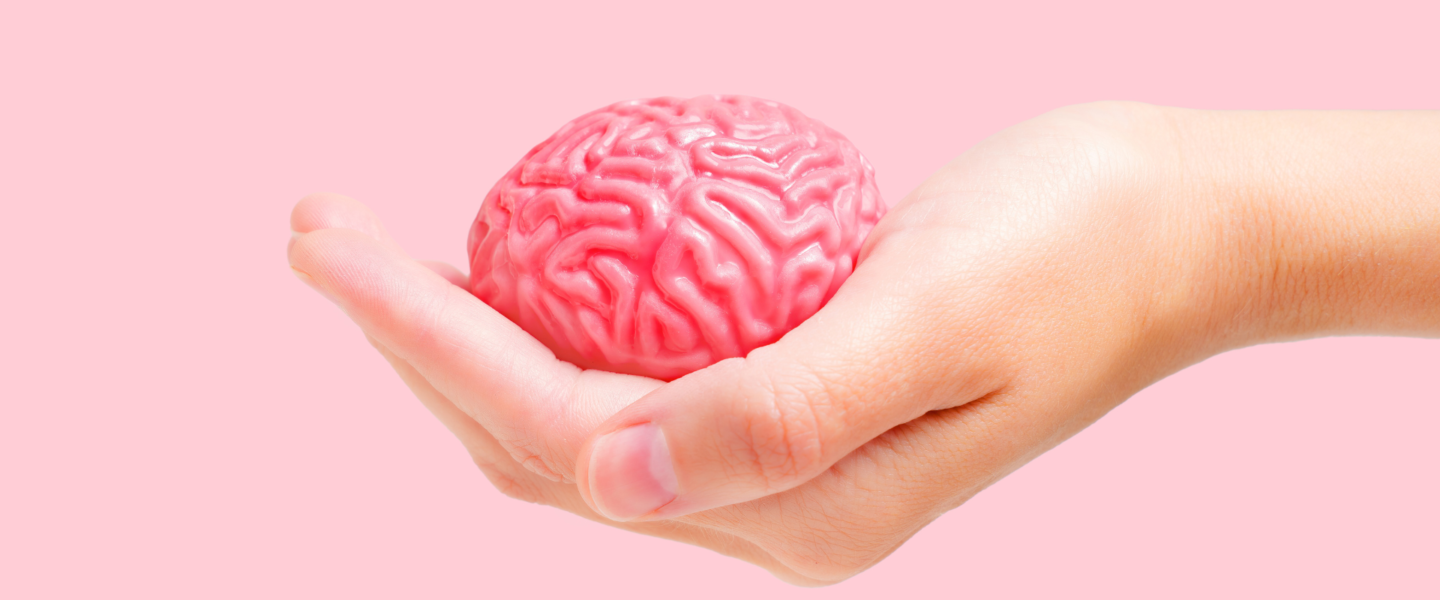
The human brain is a complex organ that regulates every function of the body and processes vast amounts of information. It operates through intricate networks of neurons that communicate via electrical signals and neurotransmitters, allowing for thought, memory, emotion, and action. Understanding how the brain works not only illuminates the essence of human behavior but also highlights the significance of brain health in daily life.
Recent research has unveiled fascinating insights into brain function, including how different regions contribute to specific tasks and the ability of the brain to adapt through neuroplasticity. This adaptability is crucial for learning and recovery from injury, demonstrating that the brain is not a static entity but a dynamic one capable of change throughout an individual’s life.
Exploring the inner workings of the brain can empower readers to grasp how cognitive processes influence behavior and decision-making. This knowledge can lead to improved mental health practices and foster a deeper appreciation for the intricacies of the mind.
Fundamentals of Neuroscience
Neuroscience focuses on the structure and function of the nervous system. Key components include neurons, glial cells, and the biochemical processes that facilitate communication within the brain.
Neurons and Glial Cells
Neurons are the fundamental units of the nervous system, responsible for transmitting information throughout the body. Each neuron consists of a cell body, dendrites, and an axon. Dendrites receive signals, which travel along the axon to the synapse.
Glial cells, often referred to as neuroglia, support neurons. They outnumber neurons and perform various functions such as providing nutrients, maintaining homeostasis, and forming myelin, which insulates axons to speed up signal transmission. Types of glial cells include astrocytes, oligodendrocytes, and microglia, each with specific roles in maintaining brain health and function.
Neural Communication
Neural communication occurs via electrical impulses and chemical signals. Action potentials are brief changes in electrical charge that travel down the axon. These impulses trigger the release of neurotransmitters at synapses, which are the junctions between neurons.
Neurotransmitters such as dopamine, serotonin, and glutamate play crucial roles in mood regulation, memory, and other cognitive functions. Receptors on the postsynaptic neuron bind to these neurotransmitters, generating responses that can either activate or inhibit further signals, ensuring precise and coordinated brain activity.
Brain Chemistry
Brain chemistry involves a complex interplay of neurotransmitters, hormones, and other molecules that influence brain function. Neurotransmitters are produced and released at synapses, where they facilitate communication between neurons.
Hormones, such as cortisol and adrenaline, affect brain functions like stress responses and emotional regulation. Additionally, neuroplasticity, the brain’s ability to reorganize itself, is influenced by these chemicals, allowing it to adapt to new experiences or recover from injuries. Understanding these processes provides insight into both normal brain function and various neurological disorders.
Brain Structure and Function
The brain consists of several key structures that collaborate to process information and regulate bodily functions. Each component plays a distinct role in behavior, emotion, memory, and physical coordination.
Cerebral Cortex
The cerebral cortex is the brain’s outer layer, crucial for higher-order functions. It is divided into four lobes: frontal, parietal, temporal, and occipital, each responsible for different tasks.
- Frontal lobe: Involved in reasoning, planning, and problem-solving.
- Parietal lobe: Processes sensory information and spatial orientation.
- Temporal lobe: Essential for memory, language comprehension, and auditory processing.
- Occipital lobe: Focuses primarily on visual perception.
Neurons in the cortex are organized in layers, allowing complex processing and communication. This structure enhances cognitive abilities and facilitates interaction with the environment.
Limbic System
The limbic system is a set of structures located beneath the cerebral cortex, playing a key role in emotions and memory. It includes the amygdala, hippocampus, and hypothalamus.
- Amygdala: Involved in emotion regulation, particularly fear and pleasure.
- Hippocampus: Crucial for forming new memories and learning.
- Hypothalamus: Regulates physiological processes, including hunger, thirst, and sleep cycles.
This system integrates emotional responses with experiences, influencing behavior and decision-making. It also connects to the autonomic nervous system, bridging emotional and physical states.
Brainstem and Cerebellum
The brainstem and cerebellum control vital involuntary functions and coordination. The brainstem consists of the midbrain, pons, and medulla oblongata.
- Midbrain: Facilitates vision, hearing, and motor control.
- Pons: Connects different parts of the nervous system, aiding in respiration.
- Medulla oblongata: Manages autonomic functions like heartbeat and breathing.
The cerebellum maintains balance and fine motor skills. It coordinates movement and enables the learning of new motor tasks. Together, these structures ensure smooth functioning and physical response to stimuli.
Cognitive Processes
Cognitive processes encompass the mental abilities and functions that allow individuals to acquire knowledge, interpret information, and make decisions. These functions play a crucial role in daily life, influencing how one learns, perceives the environment, and solves problems.
Learning and Memory
Learning is the process of acquiring new information and skills. The brain integrates this information through various mechanisms, such as reinforcement and repetition. Memory types are divided into short-term and long-term memory.
Short-term memory holds information temporarily, while long-term memory stores it for extended periods. Within long-term memory, explicit memory involves conscious recollection of facts and events, whereas implicit memory affects behavior unconsciously.
Techniques like mnemonic devices can enhance retention. Overall, effective learning relies on the brain’s ability to encode, store, and retrieve information efficiently.
Perception and Attention
Perception refers to how the brain interprets sensory information. It transforms stimuli from the environment into meaningful experiences. Attention is a critical component that governs how individuals focus on specific stimuli while ignoring others.
Factors like motivation and emotional states influence attention. Selective attention allows a person to concentrate on relevant details, while divided attention manages multiple tasks simultaneously, though it can diminish performance.
The interplay between perception and attention affects daily interactions, influencing judgments and decision-making processes.
Decision Making and Problem Solving
Decision-making involves evaluating choices and selecting a course of action. This process relies heavily on cognitive biases, personal experiences, and available information.
Problem-solving includes identifying issues, generating solutions, and implementing strategies. Various approaches, such as trial and error and algorithmic methods, help navigate challenges.
Key components in these processes include critical thinking and creativity. These skills enable individuals to analyze situations, weigh options, and adapt solutions to changing circumstances.
Brain Development and Plasticity
Brain development involves critical processes that shape the structure and functionality of the brain. These processes include neurogenesis, synaptic pruning, and brain adaptability, which are essential for learning and cognitive performance throughout life.
Neurogenesis
Neurogenesis refers to the birth of new neurons, which primarily occurs during embryonic development but can continue in specific brain regions throughout adulthood. The hippocampus, a region linked to memory and learning, is a key site for adult neurogenesis.
Factors such as exercise, environmental enrichment, and learning new skills can promote neurogenesis. Conversely, stress and aging may inhibit this process. Maintaining a stimulating environment is crucial for fostering neuron generation and supporting cognitive functions.
Synaptic Pruning
Synaptic pruning is a significant process where excess neurons and synaptic connections are eliminated. This occurs predominantly during childhood and adolescence as the brain matures.
Pruning enhances the efficiency of neural networks by eliminating weaker connections while strengthening others. This refinement is crucial for effective communication within the brain, ensuring that the most relevant pathways are maintained for optimal functionality. Disorders and disruptions in this process can lead to cognitive and developmental challenges.
Brain Adaptability
Brain adaptability, or plasticity, is the brain’s ability to reorganize itself in response to learning, experience, or injury. This characteristic allows the brain to form new connections and pathways throughout life.
Plasticity is most pronounced in young brains but persists into adulthood, albeit at a reduced level. Learning new skills, practicing mindfulness, and engaging in social interactions can enhance plasticity. Conditions such as stroke or traumatic brain injury demonstrate the brain’s potential for adaptation, with rehabilitation leading to significant recovery through neuroplastic changes.
When an injury to the brain occurs, it can be an incredibly serious time for the individual. Depending on the extent of the injuries, people may find that they can lose their job, or even function at a basic level. This is why a portland brain injury attorney (or a local attorney) is essential in ensuring that the person harmed is able to get the compensation they deserve, especially if it is due to the fault of another.
Neurological Disorders and Diseases
Neurological disorders can significantly impact brain function and daily living. Key conditions include Alzheimer’s disease, Parkinson’s disease, epilepsy, and stroke, each presenting unique challenges and symptoms.
Alzheimer’s Disease
Alzheimer’s disease is a progressive neurological disorder that primarily affects memory and cognitive function. It usually starts with mild memory loss, which can advance to severe cognitive impairment.
The disease results from the accumulation of amyloid plaques and tau tangles in the brain. These disrupt communication between neurons, ultimately leading to cell death. Notable symptoms include confusion, difficulty with language, and changes in behavior.
Risk factors include age, family history, and genetic predisposition. Although there is currently no cure, treatments can help manage symptoms and improve quality of life.
For families navigating Alzheimer’s progression, choosing a residential option that emphasizes familiarity, routine and convenient medical access can make daily life more manageable. Facilities that combine trained memory-care staff with a home-like environment often reduce disorientation and support consistent caregiving.
Care teams can further reduce distress by responding to common expressions of confusion—like repeatedly saying they want to go home—with validation and tailored routines that echo a resident’s personal history. Recognizing that these statements often stem from fear or a longing for familiarity enables staff to use memory-focused interventions, environmental cues, and consistent daily rituals to reorient and comfort the person. Families and care managers seeking practical guidance may find useful strategies in resources about personalized dementia care services that prioritize reassurance and continuity. Applied thoughtfully, these approaches frequently lessen agitation and improve engagement.
In Oklahoma City, some communities offer a premier home-like assisted living setting located near major hospitals, which can ease visits and medical appointments for loved ones and caregivers. Assessing staff training, individualized care plans, and location helps families select the most appropriate support for loved ones with dementia.
Parkinson’s Disease
Parkinson’s disease primarily affects movement due to the degeneration of dopamine-producing neurons in the brain. Symptoms typically begin with tremors, stiffness, and bradykinesia (slowness of movement).
As the disease progresses, individuals may experience balance problems and changes in speech and writing. Non-motor symptoms, such as sleep disturbances and depression, can also occur.
Risk factors include age, genetic influences, and exposure to environmental toxins. While there is no cure, various treatments can help manage symptoms and maintain mobility. Parkinson’s treatment typically involves a blend of medication, physical therapy, occupational therapy, and supportive lifestyle adjustments to improve movement, balance, and daily functioning.
Epilepsy
Epilepsy is a chronic neurological disorder characterized by recurrent seizures. These seizures result from abnormal electrical activity in the brain and can vary widely in intensity and duration.
Common seizure types include tonic-clonic, absence, and focal seizures. Symptoms may involve convulsions, loss of consciousness, or unusual sensations.
Management options include anti-seizure medications and lifestyle modifications. In some cases, surgical intervention may be necessary for those who do not respond to medication.
Stroke
A stroke occurs when blood flow to the brain is interrupted, leading to cell death. Strokes can be ischemic, caused by blockage, or hemorrhagic, caused by bleeding in the brain.
Common symptoms include sudden weakness, difficulty speaking, and loss of balance. Timely medical intervention is crucial to minimize damage and improve recovery outcomes.
Risk factors for stroke include hypertension, high cholesterol, and diabetes. Rehabilitation often includes physical, occupational, and speech therapy to regain lost functions.
Influences on Brain Function
Various factors significantly impact brain function, including diet, sleep patterns, and emotional states. Each of these influences plays a crucial role in cognitive performance, mental health, and overall brain efficiency.
Diet and Nutrition
Diet directly affects brain health. Nutrients such as omega-3 fatty acids, antioxidants, vitamins, and minerals contribute to cognitive functions. Foods rich in these nutrients include:
- Fatty fish (e.g., salmon, sardines): Source of omega-3s.
- Berries: High in antioxidants.
- Leafy greens: Provide essential vitamins.
Deficiencies in key nutrients can lead to memory issues and slower cognitive processing. Additionally, diets high in refined sugars and saturated fats may impair brain health, increasing the risk of cognitive decline. Maintaining a balanced diet supports synaptic plasticity, the brain’s ability to adapt and grow, key for learning and memory.
Sleep and Circadian Rhythms
Sleep is vital for brain function and overall health. During sleep, the brain undergoes processes that consolidate memories and clear toxins. Studies show that:
- Adults require 7-9 hours of sleep for optimal functioning.
- Sleep quality, not just quantity, influences mental acuity.
Circadian rhythms regulate sleep-wake cycles and affect hormone release, impacting mood and cognitive ability. Disruptions in these rhythms, often due to irregular sleep patterns, can result in impaired focus and increased anxiety. Consistent sleep enhances attention, decision-making, and problem-solving skills.
Stress and Emotion
Stress is a significant factor influencing brain function. Chronic stress can lead to structural changes in the brain, affecting areas responsible for memory and emotional regulation, such as the hippocampus and prefrontal cortex. Key effects of stress include:
- Increased cortisol levels: Prolonged exposure can impair cognitive function.
- Reduced neurogenesis: The creation of new neurons is inhibited under stress.
Emotional states also play a crucial role. Positive emotions can promote neuroplasticity, while negative emotions might hinder mental processing. Managing stress through techniques like mindfulness or physical activity can enhance brain health and foster emotional well-being.
Advances in Neurotechnology
Recent developments in neurotechnology have significantly enhanced the understanding and treatment of various neurological conditions. Key advancements include sophisticated imaging techniques, innovative neuromodulation therapies, and the integration of brain-computer interfaces.
Brain Imaging Techniques
Brain imaging has evolved dramatically in recent years. Techniques like functional magnetic resonance imaging (fMRI) and positron emission tomography (PET) allow researchers to visualize brain activity in real-time.
- fMRI measures changes in blood flow, indicating areas of high neuronal activity.
- PET uses radioactive tracers to assess metabolic processes in the brain.
These methods enable the identification of brain disorders, aid in surgical planning, and advance cognitive neuroscience research. Additionally, emerging techniques such as diffusion tensor imaging (DTI) provide insights into white matter integrity, offering a more comprehensive view of brain structure and function.
Neuromodulation Therapies
Neuromodulation therapies represent a transformative approach to treating neurological and psychiatric disorders. Techniques like transcranial magnetic stimulation (TMS) and deep brain stimulation (DBS) have shown promise in improving symptoms of depression, Parkinson’s disease, and epilepsy.
TMS employs magnetic fields to stimulate nerve cells in targeted brain regions, promoting neuroplasticity and alleviating depressive symptoms. In contrast, DBS involves implanting electrodes that deliver electrical impulses to specific brain areas, effectively modulating neural circuitry.
Recent studies highlight advancements in wireless and closed-loop systems, enhancing precision and reducing side effects, thereby paving the way for personalized treatment options.
Brain-Computer Interfaces
Brain-computer interfaces (BCIs) bridge the gap between neural activity and electronic devices. These systems interpret brain signals to control external devices, providing new avenues for communication and mobility in individuals with disabilities.
Recent innovations in BCI technology, such as invasive and non-invasive systems, have improved signal accuracy and user experience.
- Invasive BCIs involve implanting electrodes in the brain, enhancing control for individuals with severe motor impairments.
- Non-invasive systems use electroencephalography (EEG) to monitor brain waves, allowing users to interact with computers or prosthetic devices through thought alone.
The potential applications of BCIs span from assistive technologies to enhancing cognitive capabilities, marking a significant milestone in neurology and technology integration.
Ethical Considerations in Neuroscience
Neuroscience poses significant ethical challenges that require careful navigation. Researchers must consider the implications of their work on individuals and society.
Key ethical concerns include:
- Informed Consent: Participants must fully understand the risks and benefits before agreeing to participate in studies.
- Privacy and Confidentiality: Safeguarding personal data is crucial to protect participant identities and information.
- Potential for Misuse: Findings could be used to manipulate behavior or invade privacy, raising ethical questions.
- Social Justice: Access to neuroscience advancements should be equitable, preventing disparities in benefits.
The complexity of brain studies can lead to dilemmas regarding intervention techniques, particularly in vulnerable populations.
Researchers face the challenge of balancing scientific progress with ethical responsibilities.
Engaging with diverse communities enhances ethical considerations and promotes a more comprehensive understanding.
Continued dialogue is essential within the field to address evolving ethical issues.
Overall, ethical guidelines and frameworks remain vital to conducting responsible neuroscientific research.