
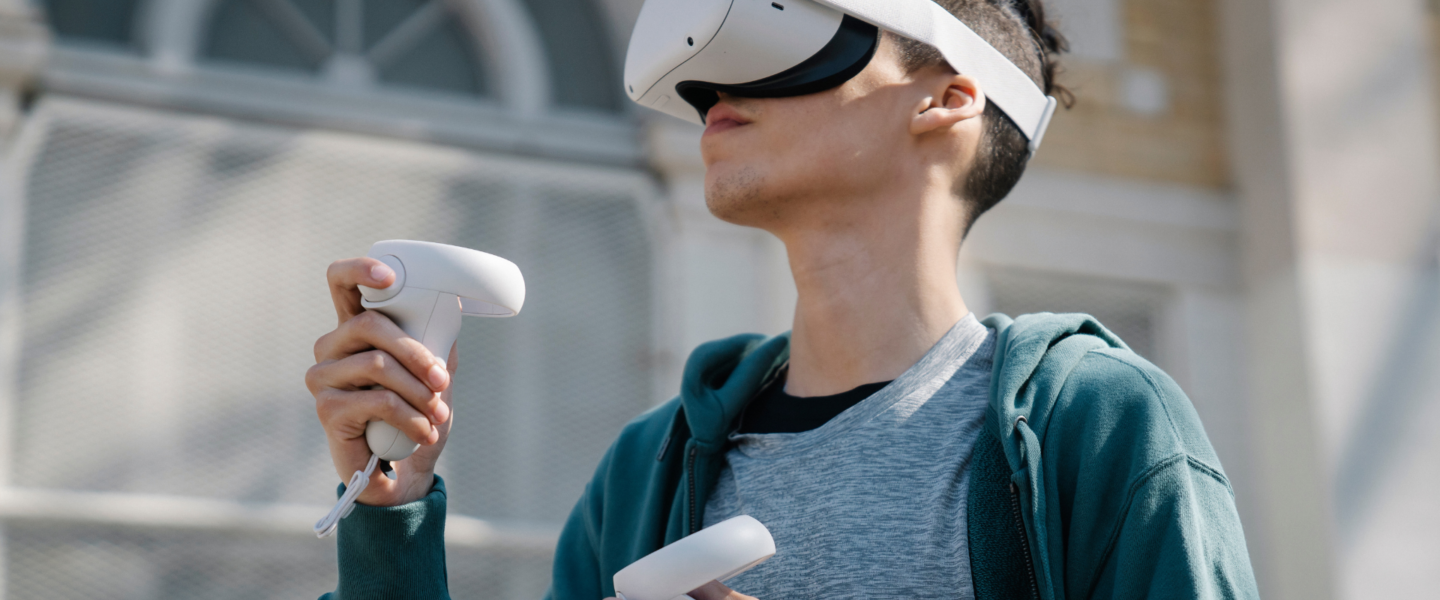
Virtual Reality (VR) technology has rapidly evolved, transforming how people interact with digital environments. Innovations in VR have opened new possibilities in gaming, education, and training, offering immersive experiences that were previously unimaginable. The latest advancements in VR are not merely enhancements; they are reshaping entire industries and providing users with intuitive ways to engage and learn.
As companies invest in cutting-edge technology, VR is becoming more accessible and affordable, attracting a broader audience. From realistic simulations in healthcare to interactive learning modules in classrooms, the applications of VR continue to expand. These innovations are driving a shift in user expectations, making immersive experiences a standard part of both entertainment and professional training.
The integration of artificial intelligence and improved hardware is also revolutionizing the VR landscape, allowing for more realistic interactions and environments. With each breakthrough, VR technology not only enhances the user experience but also pushes the boundaries of what is possible in digital storytelling and interaction. Exploring these advancements reveals the transformative impact VR can have across various sectors.
The Evolution of Virtual Reality Technology
Virtual Reality technology has gone through significant changes since its inception. It has evolved from rudimentary concepts into sophisticated systems enhanced by AI and driven by innovation from startups and tech hubs like Silicon Valley.
From Origins to Modern VR Systems
The roots of Virtual Reality date back to the 1960s with the invention of the Sensorama, which provided multisensory experiences. In the 1980s, developments like the Head-Mounted Display (HMD) laid the groundwork for immersive experiences.
The 1990s saw a boost in public interest with products like SEGA’s VR headset, though limitations in technology hindered broader adoption. The last decade has transformed VR with advancements in graphics, processing power, and affordability of hardware. Modern systems like the Oculus Quest and HTC Vive feature higher resolutions and user-friendly interfaces, making VR accessible to a larger audience.
Key Contributions: AI and Machine Learning
AI and Machine Learning have significantly influenced the capabilities of Virtual Reality. These technologies enhance user experience by offering personalized environments and adaptive content.
For instance, AI algorithms can analyze user behavior to create customized interactions, making environments more immersive. Machine Learning allows VR systems to improve performance over time, tailoring experiences to individual users’ preferences.
Real-time object recognition and motion tracking powered by AI contribute to making VR experiences more realistic. This integration facilitates applications ranging from gaming to virtual training, significantly expanding VR’s usability.
The Role of Silicon Valley and Startups in VR Innovation
Silicon Valley has emerged as a focal point for virtual reality innovation. Companies in this region drive advancements, often through collaborations between established tech firms and startups.
Startups play a crucial role by offering fresh ideas and new business models. Many have focused on niche markets, such as VR applications in education, healthcare, and remote collaboration.
This environment fosters a culture of experimentation, leading to rapid prototyping and development of cutting-edge VR tools. Venture capital investment in VR startups enables them to push the boundaries of what’s possible, accelerating the progress of virtual reality technology in a competitive landscape.
Virtual Reality Hardware Advances
Recent innovations in VR hardware are transforming the user experience by enhancing immersion, portability, and interaction. Key developments include advanced headsets, wireless technology, and biometric tracking systems.
Cutting-edge VR Headsets and Haptic Devices
The latest VR headsets offer improvements in resolution and field of view. Models like the Meta Quest Pro and Valve Index provide exceptional visual clarity and refresh rates, allowing for smoother experiences.
Haptic feedback devices enhance immersion, enabling users to feel virtual environments more realistically. Companies are developing gloves and suits that translate movements into tactile sensations, enriching interactions within VR.
These advancements make VR more accessible and engaging for gamers and professionals alike. The combination of high-quality visuals and responsive haptics is redefining how users interact in virtual spaces.
Wireless VR and Portability Challenges
Wireless technology in VR is addressing the need for greater mobility. Systems like the Pico 4 and Meta Quest 2 eliminate cables, allowing users to move freely and explore virtual worlds without restrictions.
Despite these advancements, challenges remain. Wireless latency, which can affect responsiveness, is an ongoing concern. Additionally, battery life limits session length, necessitating frequent recharges.
As manufacturers focus on improving these aspects, user-friendly solutions are being developed. These include portable battery packs and efficient power management systems to enhance the overall experience.
Biometric and Eye-tracking Enhancements
Biometric feedback is becoming integral to VR, providing systems with user-specific data. Eye-tracking technology allows for more natural interactions, enabling users to navigate by simply looking at an object.
This technology enhances realism in virtual environments. It can also adapt experiences based on user reactions, improving the customization of content.
Furthermore, biometric systems can monitor stress levels to help tailor experiences for comfort. This combination of eye-tracking and biometric feedback is paving the way for more intuitive VR interactions.
Virtual Reality in Industry and Education
Virtual Reality (VR) is transforming both industry and education by providing innovative tools for training and immersive experiences. This section explores its applications in corporate training, healthcare, and education, showcasing the potential of VR to enhance performance and collaboration.
Corporate Training and Healthcare Applications
In the corporate sector, VR is used for effective training simulations. It enables employees to engage in realistic scenarios, fostering better retention of skills. Industries like manufacturing and aviation benefit significantly, allowing workers to practice without risks associated with actual equipment.
In healthcare, VR offers solutions for surgical training and patient care. Medical professionals can use VR to perform virtual surgeries, improving precision before handling real instruments. Additionally, VR helps patients with pain management and rehabilitation, creating a controlled environment for recovery.
Educational Enhancements Through Immersive Experiences
Education is experiencing a shift with VR technologies providing immersive learning avenues. Students can explore historical sites, dive into the ocean, or even travel through the human body, making lessons more engaging.
This technology caters to different learning styles, supporting both visual and experiential learners. Educational institutions report increased student participation and understanding of complex subjects when lessons leverage VR.
The Impact of VR on Remote Work and Collaboration
VR tools facilitate remote work by creating virtual meeting spaces that bridge the gap between physical distances. Teams can collaborate in a shared virtual environment, enhancing communication and camaraderie.
Moreover, VR enhances presentations, allowing participants to visualize projects effectively. Organizations adopting VR for collaboration report higher productivity and improved teamwork, as members engage in a more interactive setting than traditional video calls.
VR’s integration into industry and education signals a promising future, creating new possibilities for training, learning, and collaboration.
Emerging Trends and the Future of Virtual Reality
Virtual Reality (VR) is evolving rapidly, with significant advancements in the Metaverse, content creation, and social interaction. The integration of VR with broader technological trends shapes the future landscape, impacting various sectors and user experiences.
Metaverse and Extended Realities
The Metaverse represents a convergence of physical and digital experiences, enabling users to engage in immersive environments. Companies are increasingly investing in Extended Reality (XR), which encompasses VR, Augmented Reality (AR), and Mixed Reality (MR).
This trend allows more diverse applications, from virtual social experiences to training simulations. Major tech firms are focusing on creating interconnected digital ecosystems, enhancing user engagement, and fostering communities. The potential for commerce and social interaction in the Metaverse drives interest and investment.
Emerging platforms also prioritize user-generated content, allowing individuals to create and share their own virtual spaces, fostering creativity and community connectivity.
Advancements in Content Creation and Gaming
Content creation in VR is becoming more accessible due to advancements in tools and technology. Platforms now offer simplified development environments, enabling creators to build VR experiences without extensive coding knowledge.
In the gaming sector, innovations such as procedural generation and cloud-based rendering enhance gameplay, making experiences richer and more dynamic. Popular gaming titles integrate social elements, allowing players to interact in real-time.
Trends like cross-platform play are gaining traction. Gamers can connect regardless of their VR hardware, expanding user bases and promoting inclusivity within gaming communities. The focus on storytelling within VR environments is also growing, enhancing emotional connections between players and narratives.
Social Dynamics and Virtual Interaction Paradigms
As VR becomes more mainstream, social dynamics within virtual environments evolve. Users increasingly seek social connections in immersive spaces, leading to new paradigms of interaction.
Platforms like VRChat create unique social experiences, allowing users to engage in shared activities, attend events, or simply socialize in virtual spaces. The presence of avatars fosters a sense of identity and community.
Furthermore, integration with social media enhances sharing and connectivity. Customization of avatars and environments allows for self-expression. This evolution shapes how users perceive friendships and collaborations in digital contexts.
As these trends continue to unfold, the landscape of social interactions in VR will likely expand, influencing both online and offline relationships.