
Solo travel can be an exhilarating experience, offering the chance for self-discovery and adventure. With the right tools, travelers can significantly enhance their journeys and navigate new environments with greater ease. Utilizing travel technology strategically can transform solo adventures into seamless, enjoyable escapes.
From navigation apps to language translation software, technology equips solo travelers with essential resources. These tools not only help in planning trips and finding accommodations but also in connecting with other travelers and locals. Embracing these innovations leads to richer experiences and a more confident approach to exploring the world alone.
As solo travelers embark on their journeys, having access to the right technology fosters a sense of security and spontaneity. It empowers them to make the most of every moment, whether it’s discovering hidden gems or forging connections. Understanding how to effectively leverage these tools will elevate any solo adventure.
Essential Travel Technology for Solo Adventurers
Travel technology plays a significant role in enhancing solo adventures, providing tools for navigation, communication, and convenience. By leveraging the right apps, devices, and gear, solo travelers can make their journeys more enjoyable and stress-free.
Best Travel Apps for Solo Travelers
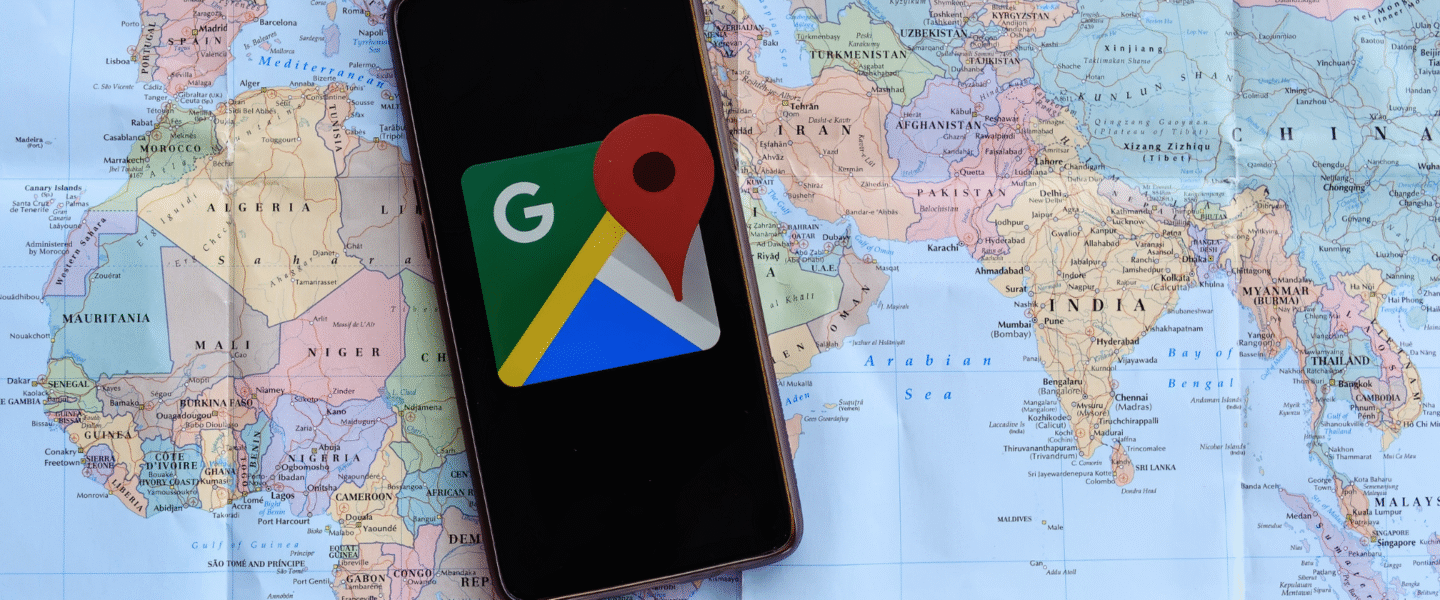
Several travel apps cater specifically to solo travelers. Google Maps is essential for navigation, offering real-time GPS guidance and public transit information. Offline capabilities make it useful in areas with limited connectivity.
Maps.me is another valuable tool, providing detailed offline maps and route optimization for exploring new cities.
For accommodation and local experiences, Hostelworld and Couchsurfing connect solo adventurers with affordable lodging and friendly locals. Travel safety apps, like Emergency+, allow solo travelers to quickly access local emergency numbers and services, ensuring peace of mind while exploring.
Smartphones, Tablets, and Innovative Travel Gear
A reliable smartphone is crucial for solo travelers. It serves as a communication device, camera, and navigation tool, all in one.
Adding a tablet can enhance the experience, providing a larger screen for planning, entertainment, or learning new languages.
Essential travel gear includes power banks and mobile chargers. These ensure devices remain charged throughout the day. Compact, lightweight options are ideal for solo travelers, fitting easily into backpacks and pockets. Innovative tech like portable Wi-Fi hotspots also offers continuous internet access, enhancing connectivity while on the go.
Navigation Tools and Offline Maps
Navigation tools are vital for solo adventurers in unfamiliar locations. GPS-enabled devices provide real-time location tracking, crucial for safety and direction.
Google Maps allows users to download maps for offline use, ensuring access even without data.
Downloading apps like Maps.me gives access to detailed offline maps, which can help users navigate without a signal. Route optimization features enable solo travelers to save time and avoid crowded areas, enhancing the overall experience.
Combining these navigation tools helps ensure solo adventures remain enjoyable and stress-free, keeping complexities to a minimum.
Planning and Managing Your Solo Adventure
Efficient planning and management are crucial for a successful solo adventure. Utilizing various digital tools can significantly ease the process of organizing travel itineraries, booking accommodations, and navigating transportation.
Itinerary Planning and Management Tools
For effective itinerary planning, tools like TripIt streamline the process. Users can forward confirmation emails for flights, accommodations, and activities to TripIt, which organizes everything into a single itinerary. This eliminates the hassle of scattered documents.
Apps such as Google Maps and Rome2Rio provide routes and local insights, helping solo travelers identify hidden gems along their journey. Incorporating these tools improves pre-trip planning, making the overall experience more organized and enjoyable.
Booking Accommodations and Comparing Flights
When booking accommodations, websites like Skyscanner and Hopper can be invaluable. They allow users to compare flight prices quickly, providing the best deals according to desired travel dates. For accommodation, platforms like Hostelworld and Couchsurfing cater to different budgets and preferences, offering a mix of social experiences and cost-effective options.
Travelers should also leverage TripAdvisor and Yelp to find reviews and ratings on potential stays. This helps ensure recommended places align with expectations and safety standards.
Transportation and Travel Guides
Navigating a new city can be daunting. Apps like Citymapper simplify this by offering clear public transportation routes and real-time information. For convenience, services like Uber and Lyft provide immediate options for direct travel, especially at odd hours.
Using travel guides can enhance the experience by providing historical context and local tips. Investing in a good guidebook or downloading informative apps ensures that solo travelers can discover locations beyond typical tourist spots, enhancing their adventure significantly.
Staying Connected and Enhancing Experiences on the Road
Travel technology facilitates meaningful connections and enriches experiences while exploring new destinations. By leveraging online communities, translation tools, and photography apps, solo travelers can create lasting memories and engage more deeply with their surroundings.
Staying Connected with Online Communities and Social Networking
Online communities play a vital role in keeping solo travelers connected. Platforms like Facebook, Instagram, and Reddit offer groups where travelers can exchange tips and share experiences. WhatsApp facilitates constant communication with fellow travelers or friends back home, ensuring no one feels isolated during their journey.
Joining local travel groups can also enhance the experience. Travelers can meet locals and immerse themselves in cultural nuances. Engaging with others enhances both the adventure and provides opportunities for spontaneous plans, enriching the overall travel experience.
Overcoming Language Barriers with Translation Tools
Language translation tools are essential for effective communication in foreign countries. Apps such as Google Translate and iTranslate facilitate smooth interactions with locals. Users can download languages offline, ensuring access even in areas with limited connectivity.
These tools are valuable not just for basic conversations but also for understanding local customs. They help solo travelers navigate menus, ask for directions, and engage in meaningful dialogues, fostering connections with locals. By reducing language barriers, travelers can deepen their cultural immersion.
Capturing and Sharing Your Journey
Travel photography apps, like VSCO and Snapseed, allow solo travelers to document and edit their experiences. These apps enhance images for social media sharing, helping travelers convey their adventures visually.
Utilizing geotags in posts can also attract engagement from other adventurers. Sharing experiences, tips, and breathtaking images fosters a sense of community. This not only inspires others but also helps travelers keep their memories alive long after returning home. Engaging with the travel community through shared content can spark further wanderlust.
Safety, Security, and Smart Budgeting for Solo Travelers
Solo travelers face unique challenges in safety and budgeting while exploring new destinations. Being equipped with the right tools and strategies can enhance their experience and provide peace of mind.
Personal Safety and Security Tools
For personal safety, various mobile apps can help travelers stay secure. Apps like bSafe provide features such as GPS tracking and the ability to send real-time alerts to trusted contacts. GeoSure offers safety ratings for neighborhoods based on crime data, allowing users to make informed decisions.
Personal security devices like pepper spray or personal alarms add an extra layer of protection. Investing in a VPN ensures that online activities remain private, safeguarding sensitive information from cyber threats. Familiarizing oneself with local emergency services can also enhance safety.
Emergency Contacts and Services
Creating a list of emergency contacts is essential for solo travelers. This list should include local emergency services, such as police and hospitals, and personal contacts who can be reached in case of an emergency.
Travelers can use the Google Assistant to quickly access vital numbers or directions to nearby facilities. Additionally, having a reliable method for communication, such as an international SIM card or local plan, can facilitate timely responses in urgent situations.
Expense Management and Budget Tracking
Managing finances is crucial for solo travelers. TravelSpend and Splitwise help track expenses easily, allowing travelers to monitor their budget throughout the trip. Maintaining a daily spending log helps to avoid overspending and keeps trips manageable.
Utilizing currency converters like XE Currency ensures travelers understand the costs in their home currency, reducing confusion. Setting a clear budget before departure can guide spending decisions and limit unexpected costs. Using AI-powered travel tools can simplify planning and budget assessments during the journey.