
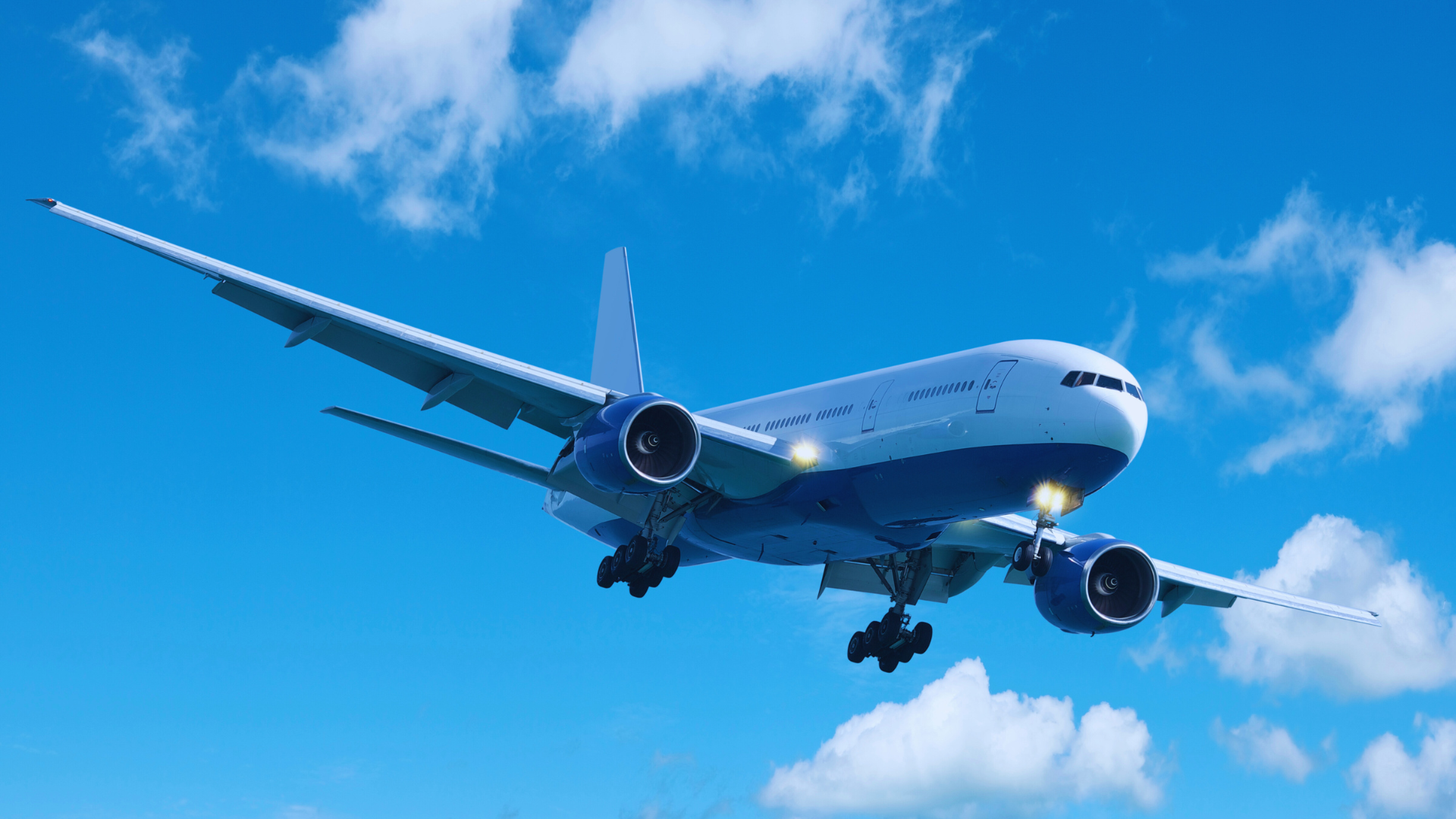
The intricacies of flight combine fascinating principles of physics with the relentless pursuit of safety in aviation. Understanding how forces such as lift, weight, thrust, and drag interact is essential for the design and operation of aircraft. The application of these physics principles has significantly contributed to making air travel safer than ever before.
As technology advances, engineers and scientists continuously refine aerodynamics, materials, and flight mechanics. Innovations such as more efficient engines and enhanced navigation systems play a critical role in minimizing risks associated with air travel. Each improvement not only makes the dream of flight more attainable but also ensures a higher level of safety for passengers and crew.
Exploring these physical principles provides insights into the future of aviation. By grasping how flight works and the physics behind it, individuals gain a deeper appreciation for the advancements that prioritize safety in the skies. With each flight, the aviation industry moves closer to achieving its goal of safer air travel.
Fundamental Principles of Flight Physics
The principles governing flight rely on a balance of forces and the interaction between air and aircraft. Understanding these elements is essential for analyzing how flight occurs and the mechanics behind safer aviation.
The Four Forces of Flight
There are four fundamental forces acting on an aircraft: lift, weight, thrust, and drag.
- Lift is generated primarily by the wings and is influenced by the shape of the airfoil and the angle of attack.
- Weight, or gravity, pulls the aircraft downward, countering the lift.
- Thrust is produced by engines and propels the aircraft forward, while drag opposes this movement, caused by air resistance.
Achieving stable flight requires a careful balance among these forces to maintain altitude and direction.
Aerodynamics and Airflow
Aerodynamics is the study of how air interacts with solid objects, like aircraft.
Airflow around the aircraft varies depending on its speed, shape, and angle of attack. A smoothly contoured shape minimizes drag, while Bernoulli’s principle explains how airflow speed differences create lift. High-speed airflow over the wing leads to lower pressure above it compared to the higher pressure below, resulting in lift.
This pressure differential is critical for takeoff and maintaining flight. Engineers design wings and fuselages with these principles in mind to optimize aerodynamic efficiency.
Newton’s Laws in Aviation
Newton’s laws of motion provide the foundational framework for flight physics.
- According to Newton’s third law, for every action, there is an equal and opposite reaction. This explains how the thrust generated by the engines pushes backward against the air, propelling the aircraft forward.
- Additionally, Newton’s first law states that an object in motion stays in motion unless acted upon by an external force. This principle is vital in maintaining a steady flight path when all forces are balanced.
Understanding these laws enables engineers to enhance aircraft design, contributing to improved safety and efficiency in air travel.
Aircraft Design and Performance
Aircraft design is crucial in ensuring optimal performance and safety during flight. Key elements include the configuration of wings, control surfaces, and the choice of propulsion systems, which collectively influence aerodynamic efficiency, stability, and overall flight dynamics.
Wings and Airfoil Shapes
Wings are essential for generating lift, which is fundamental for flight. The shape of an airfoil significantly impacts airflow and lift production. Airfoils are designed with varying thickness and curvature to optimize aerodynamic performance.
Lifting surfaces create different types of drag:
- Induced Drag: Occurs due to lift generation.
- Parasite Drag: Includes form drag from the aircraft’s shape.
Modern airplanes, such as those manufactured by Boeing and Airbus, utilize advanced wing designs to manage these drag forces efficiently. Efficient wing designs reduce fuel consumption, enhancing safety through reliable performance.
Control Surfaces and Stability
Control surfaces, including ailerons, elevators, and rudders, are instrumental in managing an aircraft’s attitude and direction.
- Ailerons: Control roll and manage lateral stability.
- Elevators: Control pitch and influence climb or descent.
- Rudders: Manage yaw and stabilize the aircraft during flight.
The position of the center of gravity affects stability. A well-designed aircraft balances these surfaces to ensure smooth handling and predictable flight dynamics. Any miscalculation can lead to instability, impacting safety.
Propulsion Systems
Propulsion systems include propellers and jet engines, both of which are critical for generating thrust.
- Jet Engines: Provide high efficiency at cruising speeds and are standard in modern commercial aircraft.
- Propellers: Common in smaller planes, they generate thrust through rotating blades.
The choice of propulsion affects fuel efficiency and range. Aircraft performance is evaluated based on the thrust-to-weight ratio, which is crucial for takeoff and climbing. Advances in engine technology continue to enhance reliability and minimize environmental impact, contributing to safer air travel.
Modern Technologies and Achievements in Safer Air Travel
Recent advancements in technology have significantly enhanced aircraft safety and performance. From innovative safety measures to sophisticated navigation systems, these developments assist aerospace engineers and pilots in ensuring safer flights.
Advances in Aircraft Safety
Modern aircraft incorporate a range of safety technologies that have been instrumental in reducing accidents. This includes the development of advanced fly-by-wire systems, which replace traditional manual controls with electronic interfaces, enhancing pilot response and aircraft stability.
Redundant systems play a crucial role as well. Key components, such as hydraulic and electrical systems, now feature backups to prevent failure. Improved materials, including lightweight composites, contribute to better fuel economy and performance.
Enhanced monitoring systems, such as Collision Avoidance Systems (TCAS), utilize data from onboard radar and satellites to alert pilots of potential hazards, enhancing situational awareness in crowded airspaces.
Equally crucial is the reliability of the electrical and control systems that integrate all these technologies. High-quality aerospace interconnect solutions ensure that vital systems, including engine controls, fuel management, and environmental controls, maintain consistent and durable connections even under extreme conditions like vibration, shock, and temperature changes.
By providing robust and precise connectivity, these solutions help prevent system failures, further strengthening the safety and performance of the aircraft.
Beyond electrical interconnects, the manufacture of structural fittings and precision components demands extremely tight tolerances and deep materials knowledge. Suppliers using advanced processes such as 5-axis CNC machining produce complex geometries from exotic alloys, which reduces failure points and improves long-term reliability. For engineers evaluating component sources, resources on aerospace machining clearly explain how machining practices affect tolerances, surface finish, and material performance. Integrating well-manufactured parts into avionics and control systems helps preserve redundancy and maintain function under operational stresses.
To validate designs and refine fit, form, and function without committing to full production runs, engineers often turn to one-off production methods. For teams needing singular prototypes or small-run components with stringent specifications, services like one off cnc machining enable rapid iteration, precise surface finish control, and quick verification of material behaviour. Combining these bespoke machined parts with additive techniques allows targeted testing of complex geometries and assembly interfaces. This pragmatic prototyping approach reduces development risk and helps manufacturers make better-informed sourcing decisions earlier in the design cycle.
Role of Computer Simulations and Navigation Systems
Computer simulations are critical for training pilots and testing new technologies without the risks associated with real flights. They allow for comprehensive training scenarios, including emergency procedures and adverse weather conditions.
Navigation systems have evolved substantially, with Global Positioning System (GPS) technology being a cornerstone. GPS provides precise positioning data, improving route efficiency and safety.
Recent innovations in satellite communication enhance real-time data sharing between aircraft and ground control. This allows for quicker responses to in-flight situations and more efficient routing, which is vital for managing air traffic and ensuring safety.
These technological advancements have transformed how air travel is conducted, resulting in fewer accidents and safer skies for all.
Environmental and Operational Factors in Safe Flight
Environmental and operational elements significantly influence flight safety. Factors like turbulence, icing, and various operational challenges shape the dynamics of air travel and necessitate careful management to reduce risk.
Turbulence and Weather Considerations
Turbulence is a common occurrence during flights and can arise from factors such as weather patterns, terrain, and jet streams. Clear air turbulence often occurs unexpectedly, making accurate weather forecasting essential for pilots and air traffic controllers.
Mastering these complex operational skills and understanding the intricate physics of flight requires dedicated, hands-on training. Aspiring aviators benefit immensely from programs that combine advanced simulator practice with real-world flight experience in modern aircraft.
Such comprehensive instruction, often provided by experienced instructors, ensures pilots are not only proficient but also deeply committed to safety protocols. For those looking to launch a career in aviation, finding a program that emphasizes personalized training and career-launching opportunities is essential. To truly learn more about comprehensive pilot training, exploring specialized flight schools can provide the necessary foundation for success.
Pilots also utilize onboard navigation systems equipped with advanced technology to assess turbulence reports and adjust altitude or route as needed. By avoiding known turbulent zones, they enhance passenger comfort and safety. It is crucial for flight control systems to adapt rapidly to changing conditions to ensure stability and manage the aircraft’s response effectively.
Icing and Its Effects
Icing poses a serious threat to aircraft safety. Accumulation of ice on wings and control surfaces alters aerodynamic properties. This results in reduced lift and increased drag, which can lead to loss of control if not managed.
Aircraft are designed with anti-icing systems that use heat to prevent ice build-up. Additionally, pilots receive training and conduct pre-flight checks to mitigate icing risks. Weather reports prior to takeoff play a vital role in determining whether conditions are safe for departure. Implementing routine experiments and studying historical data helps improve anti-icing strategies continuously.
Operational Challenges in Aviation
Operational challenges emerge from a variety of factors, including equipment reliability and human performance. Disruptions in communication can lead to misunderstandings between pilots and air traffic control, complicating strategic decision-making.
Moreover, variables like mechanical failures or unexpected equipment malfunctions require pilots to react swiftly. Regular maintenance checks and thorough training prepare crews to adapt to such scenarios. In addition, unwavering adherence to safety protocols enhances operational integrity and ensures that emergencies are managed effectively, reducing risks associated with flight operations.