
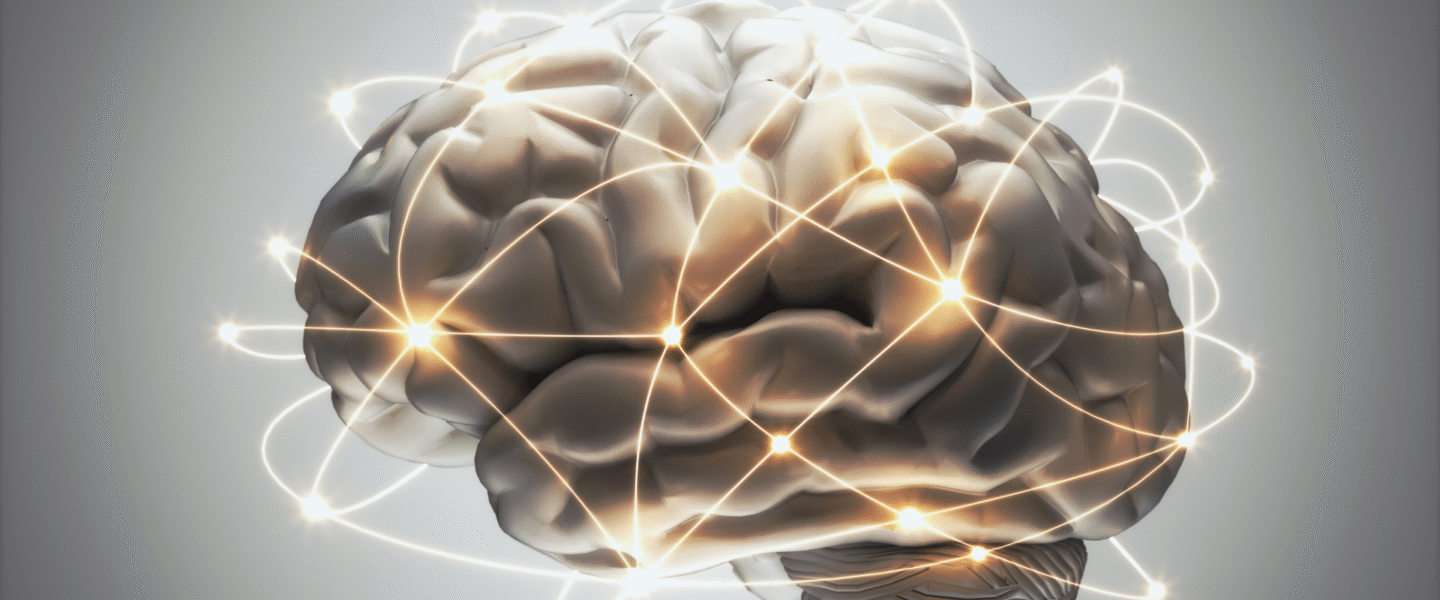
The intersection of technology and neuroscience is reshaping how researchers and clinicians understand mental health. Advances in neuroimaging, data analysis, wearable devices, and digital care platforms can provide new information about brain function, behavior, and changes in well-being over time.
These tools do not replace clinical judgment, but they can support earlier recognition of concerns, more informed treatment planning, and closer monitoring between appointments. As the evidence develops, the most useful approaches are likely to combine technology with qualified, person-centered care.
For individuals managing mental health conditions, this combination may create more ways to access support and participate in treatment. It also raises important questions about privacy, accuracy, accessibility, and the limits of automated systems.
Understanding the Neuroscience of Mental Health
Neuroscience examines how brain structures, neural circuits, neurotransmitters, and other biological processes relate to thought, emotion, behavior, and mental health. These relationships are complex, and no single brain region or chemical can fully explain a mental health condition.
Key Brain Structures and Neural Circuits
Several brain regions are frequently studied in relation to mental health. The prefrontal cortex supports functions such as planning, decision-making, and impulse control. The amygdala is involved in detecting and responding to emotionally significant information, while the hippocampus plays an important role in learning and memory.
These regions work through interconnected neural circuits rather than in isolation. Differences in how those circuits develop, communicate, or respond to stress may be associated with symptoms involving mood, attention, memory, and emotional regulation. Researchers continue to investigate how these patterns vary between individuals and across different conditions.
Neurobiological Mechanisms in Mental Disorders
Mental health conditions can involve a combination of biological, psychological, environmental, and social factors. Trauma, chronic stress, genetics, physical health, substance use, and life circumstances may all influence brain function and emotional well-being.
Conditions such as schizophrenia, bipolar disorder, depression, and anxiety have been associated with differences in neural activity and connectivity. These findings can help researchers identify possible treatment targets, but brain scans alone are not generally used to diagnose most mental health disorders in routine care.
Neurotransmitters: Serotonin and Dopamine
Neurotransmitters are chemical messengers that help nerve cells communicate. Serotonin is involved in processes including mood, sleep, appetite, and cognition, while dopamine contributes to motivation, learning, movement, and the brain’s reward system.
Both neurotransmitters are relevant to several mental health conditions, but simple explanations based on “high” or “low” levels can be misleading. Symptoms usually reflect interactions among multiple biological systems, personal experiences, and environmental influences.
Technologies such as neuroimaging and laboratory analysis can help researchers study these systems. Their findings may guide the development of medications and behavioral interventions, although results from research settings do not always translate directly into individual treatment decisions.
Technological Innovations in Mental Health Care
Technology now supports many aspects of mental health care, from appointment access and symptom tracking to clinical research and treatment delivery. Its value depends on how well a tool is designed, whether it protects personal information, and how appropriately it is used within a broader care plan.
Digital Mental Health and e-Mental Health
Digital mental health refers to services and resources delivered through websites, video platforms, mobile devices, and other connected technologies. These may include teletherapy, online support programs, psychoeducational materials, and self-guided interventions.
Digital services can improve access for people who live far from providers, have mobility limitations, or need more flexible appointment options. However, access to reliable internet, private space, suitable devices, and digital literacy can affect whether these services are practical.
Common features include:
- Flexible access: Some resources can be used outside conventional appointment hours.
- Different levels of support: Options may range from self-guided educational tools to scheduled sessions with licensed professionals.
- Progress tracking: Certain platforms allow users and clinicians to review symptoms, goals, or treatment activities over time.
Digital care is most effective when the level of support matches the individual’s needs and the tool is integrated responsibly into treatment.
Neuroimaging Technologies in Clinical Research
Neuroimaging technologies such as functional magnetic resonance imaging (fMRI) and positron emission tomography (PET) allow researchers to examine aspects of brain structure, activity, and metabolism.
These tools can help scientists study how the brain responds during cognitive or emotional tasks, how conditions may affect neural networks, and how patterns change during treatment. They are especially valuable in research, although their role in routine mental health diagnosis remains limited.
Potential benefits include:
- Improved scientific understanding: Researchers can investigate relationships between brain activity, symptoms, and behavior.
- Treatment research: Imaging may help identify biological patterns associated with different responses to interventions.
- Longitudinal insight: Repeated scans can show how the brain changes over time in carefully controlled studies.
Interpretation requires specialist expertise, and imaging findings should not be treated as a complete explanation of an individual’s mental health.
Smartphone Apps and Mobile Health Solutions
Smartphone apps are a growing part of mobile health, or mHealth. Mental health apps may offer mood tracking, guided breathing, mindfulness exercises, sleep support, journaling, medication reminders, or educational content.
Common features include:
- Mood logs: Users can record emotions, symptoms, habits, and possible triggers.
- Guided exercises: Apps may provide relaxation, grounding, or mindfulness activities.
- Reminders and routines: Notifications can support treatment tasks or healthy daily habits.
Some apps use phone or wearable sensors to collect information about activity, sleep, or device use. This may help identify patterns, but users should review privacy practices and avoid assuming that an app can provide a clinical diagnosis.
Artificial Intelligence and Digital Interventions
Artificial intelligence can analyze large datasets, recognize patterns, and automate certain administrative or support functions. In mental health settings, AI may be used to organize information, assist with screening, support research, or help clinicians monitor changes reported by patients.
Examples include:
- Conversational tools: Some systems provide general information, guided exercises, or prompts between appointments.
- Pattern recognition: Algorithms may flag changes in reported symptoms or engagement for a professional to review.
- Clinical workflow support: AI can help summarize records or organize data, subject to appropriate oversight and privacy safeguards.
AI-generated guidance can be incomplete or incorrect. It should not be treated as a substitute for diagnosis, emergency support, or decisions made with a qualified mental health professional.
Bridging Technology and Neuroscience for Improved Mental Health Outcomes
The combination of technology and neuroscience may support more precise research, more responsive care, and greater participation in treatment. Its benefits are strongest when digital tools are used as part of a clear clinical plan rather than as stand-alone solutions for complex conditions.
Enhancing Assessment and Diagnosis
Technology can add useful information to mental health assessments. Wearable devices may record sleep, activity, or physiological signals, while digital questionnaires can help clinicians track symptoms and functional changes over time.
In research settings, tools such as fMRI and EEG can reveal patterns associated with attention, stress, emotion, or cognition. Behavioral data may also help researchers explore risk factors and early warning signs.
These sources of information can complement interviews, medical history, observation, and validated assessments. They do not remove the need to consider the person’s circumstances, goals, physical health, substance use, and lived experience.
Personalized Interventions and Treatment
Personalized treatment aims to match care with an individual’s symptoms, history, preferences, risks, and response to previous interventions. Neuroscience research may help explain why people respond differently, while digital tools can make it easier to record progress and adjust care.
These individualized strategies can be incorporated into comprehensive approaches such as structured addiction treatment programs. Combining clinical assessment, behavioral therapies, medical support when appropriate, and ongoing review can help care teams respond to changing needs without relying on technology alone.
Digital therapeutics may use elements of cognitive behavioral therapy, skills training, or structured self-management. Virtual reality is also being studied and used in selected settings, including exposure-based treatment for certain anxiety disorders and phobias.
Machine-learning systems may help researchers identify patterns in treatment response across large groups. Any recommendation for an individual still requires careful clinical interpretation, informed consent, and consideration of factors that may not appear in the data.
Monitoring and Promoting Psychological Well-Being
Ongoing monitoring can help people and clinicians recognize changes between appointments. Mood logs, sleep records, symptom questionnaires, and telehealth check-ins may reveal patterns that are difficult to recall during an occasional visit.
This information can support conversations about whether a treatment plan is helping and whether adjustments are needed. It may also encourage individuals to participate more actively in setting goals and reviewing progress.
Monitoring should remain proportionate and voluntary. Constant tracking may increase anxiety for some users, and data without context can be misinterpreted. Clear boundaries about what is collected, who can see it, and how it will be used are essential.
Knowing When Digital Tools Are Not Enough
Apps, wearables, and online resources can support education, routine-building, and communication, but they cannot provide every level of care. Complex symptoms, significant functional impairment, repeated substance use, or co-occurring mental health concerns may require a comprehensive assessment and structured professional treatment.
For people in New Jersey who are exploring integrated support for substance use and mental health concerns, legacyhealingnj.com provides information about addiction treatment and dual-diagnosis care. A qualified assessment can help determine which level of support is appropriate rather than relying on a digital tool to make that decision.
Technology can still play a useful supporting role within professional care. Telehealth appointments, symptom tracking, medication reminders, and secure communication may help individuals stay engaged, provided these tools are selected and monitored responsibly.
Societal Impacts of Technology on Mental Health and Neuroscience
The effects of technology extend beyond clinical care. Digital environments influence social interaction, attention, sleep, self-image, and access to information. Their impact varies according to the type of technology, how it is used, and the circumstances of the individual.
Digital Media and Mental Health Challenges
Digital media can intensify certain mental health pressures, particularly when users experience harassment, social comparison, sleep disruption, or repeated exposure to distressing content. Young people may be especially sensitive to feedback, exclusion, and pressure to maintain a curated online identity.
- Excessive or difficult-to-control use of social media, gaming, or other digital activities can interfere with sleep, relationships, work, or education.
- Repeated exposure to negative content may contribute to stress, fear, loneliness, or dissatisfaction, particularly when a person already feels vulnerable.
At the same time, the relationship is not identical for everyone. The quality of online experiences often matters as much as the amount of time spent online.
Social Support, Social Isolation, and Media Use
Online platforms can help people maintain relationships, find communities, and connect with others who share similar experiences. This can be especially valuable for individuals who feel isolated geographically or socially.
- Supportive online interaction may increase a sense of belonging and make useful information easier to find.
- Passive scrolling, hostile exchanges, or constant comparison with others may deepen loneliness or lower self-esteem.
This tension explains why social media can feel supportive in one context and harmful in another. Purposeful use, healthy boundaries, and attention to emotional responses can help users judge whether a platform is benefiting them.
Technology Use and Cognitive Abilities
Technology can both support and disrupt cognitive performance. Educational software, accessibility tools, reminders, and structured training activities can make learning and daily organization easier.
- Frequent interruptions and rapid task-switching can reduce concentration and make information harder to retain.
- Well-designed digital tools may support memory, skill practice, problem-solving, or access to information.
Rather than treating technology as uniformly helpful or harmful, it is more useful to consider the task, the user, the design of the tool, and the habits surrounding it.
Balancing Innovation With Responsible Care
Technology and neuroscience are expanding what researchers and clinicians can observe, measure, and deliver. Digital platforms may improve access, wearable devices may reveal useful patterns, and advanced analysis may help researchers ask more precise questions about mental health.
These developments also require realistic expectations. Mental health cannot be reduced to a scan, score, or algorithm. Effective care still depends on professional judgment, a trusting therapeutic relationship, informed consent, privacy protection, and an understanding of the person’s wider life.
The most responsible future is therefore not purely digital. It is one in which technology supports humane, evidence-informed care and helps people reach the right form of assistance at the right time.